
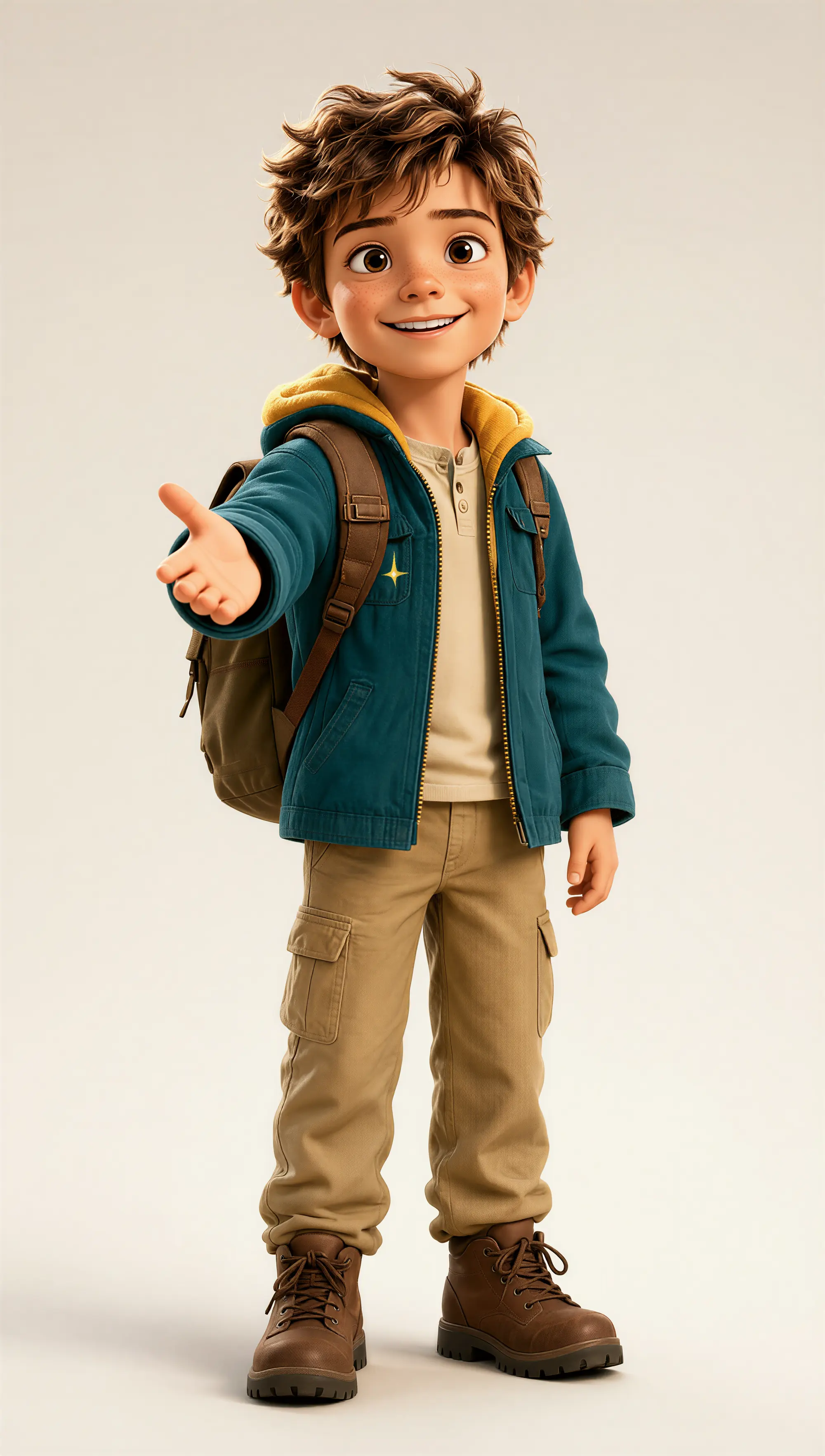
Meet Kip Fieldstone
Kip Fieldstone is a ten-year-old explorer with a golden Field Book and a habit of noticing things. He wants to share what he sees with you. He spots a clue, asks what you think, and discovers alongside you. Check out his dinosaur discoveries. Kip is excited to learn about big machines, oceans and space with you in the future.
- Age
- about 10
- For
- Children aged 4 to 7, watching with their grown-ups
- Always carries
- His golden Field Book

Four things Kip does in every adventure

“Look close…” One finger by his eye means a clue is coming.
“What do you think?” Kip asks, then really waits for your answer.

“Let’s find out!” The moment a discovery lands.
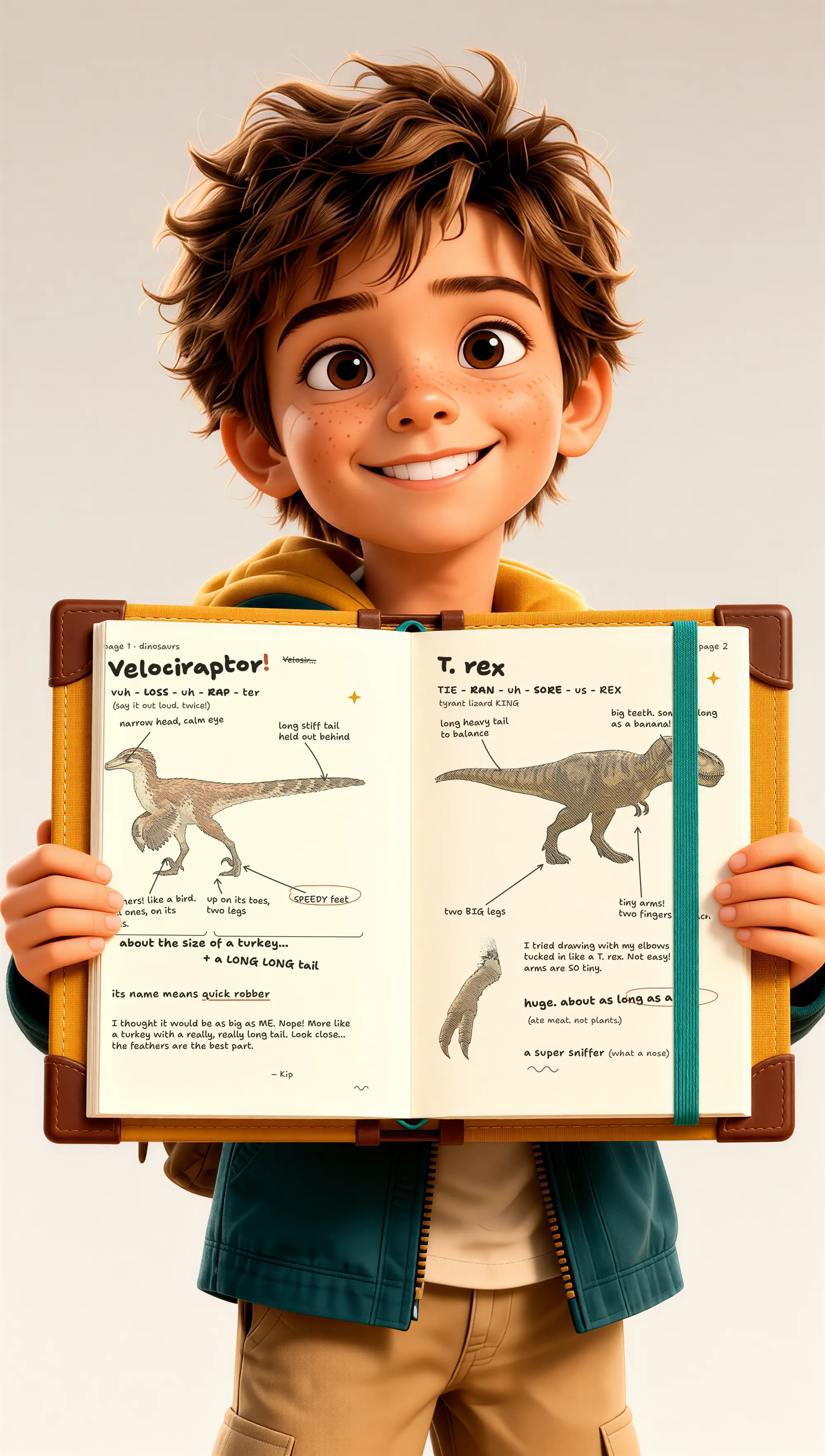
“That’s going in the Field Book.” Every discovery gets drawn and written down.
Things Kip says
- Look close…
- What do you think?
- Let’s find out!
- You have GOT to see this.
- Nice!
- That’s going in the Field Book.
- What’s waiting for us next?
 The Discovery Spark
The little gold star on Kip’s jacket and his Field Book. It means looking, finding and wondering. When you see it, something has been discovered.
About the show, for grown-ups
How Kip works
Every discovery follows the same small ritual. Kip notices something: a footprint, a strange shape, a huge name. He says “Look close…” and puts one finger by his eye. He asks “What do you think?” and leaves a real pause, long enough for a child to answer out loud. Then “Let’s find out!”, and the answer arrives. The discovery goes in the Field Book, and Kip asks what is waiting next.
Children learn the ritual fast. That is the point. The familiar shape makes room for a new dinosaur, a new sound, a new fact every time.
What Kip is not
Kip never scores a child, never says “wrong”, and never asks anyone to comment, subscribe or come back or else. Surprise can be big, but the world stays safe. The dinosaur is the star; Kip is the friend who helps you see it.
Pronunciation, carefully
Dinosaur names are long and strange, which is exactly why children love them. Kip says each name slowly, in sound chunks a parent can read at a glance, then all together. Every name is checked against museum pronunciation guides before it is recorded.
Discover with Kip
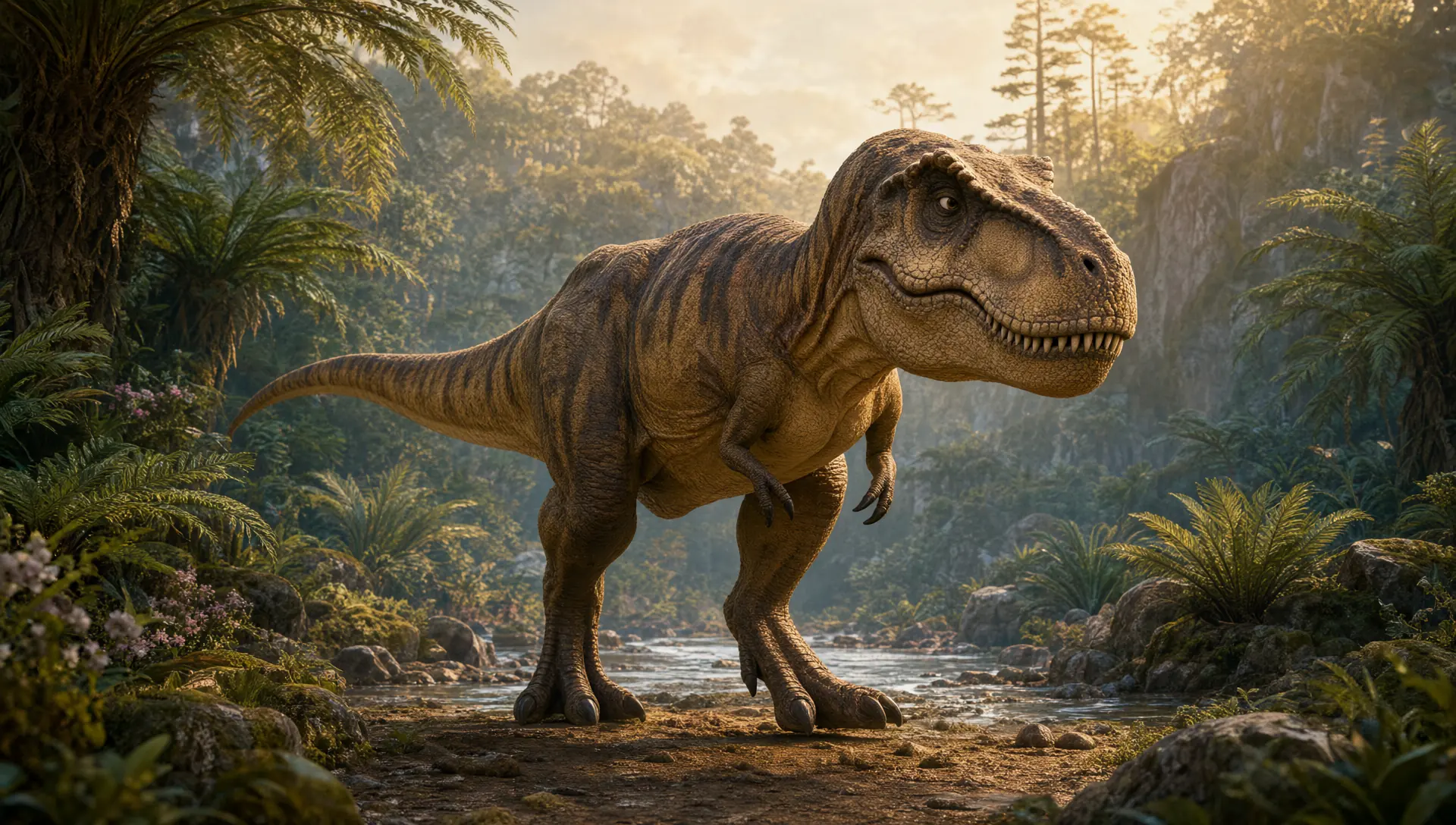
Tyrannosaurus rex
tie-RAN-uh-SORE-us REX
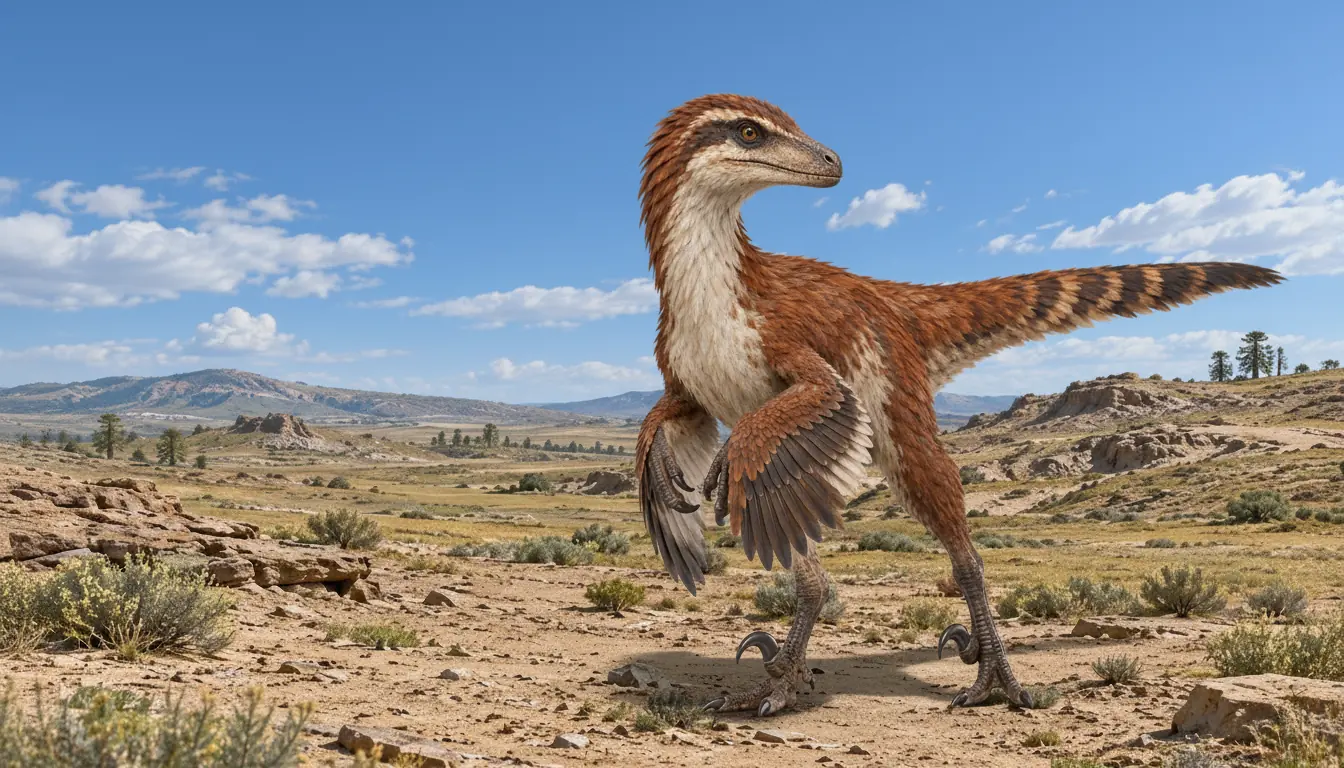
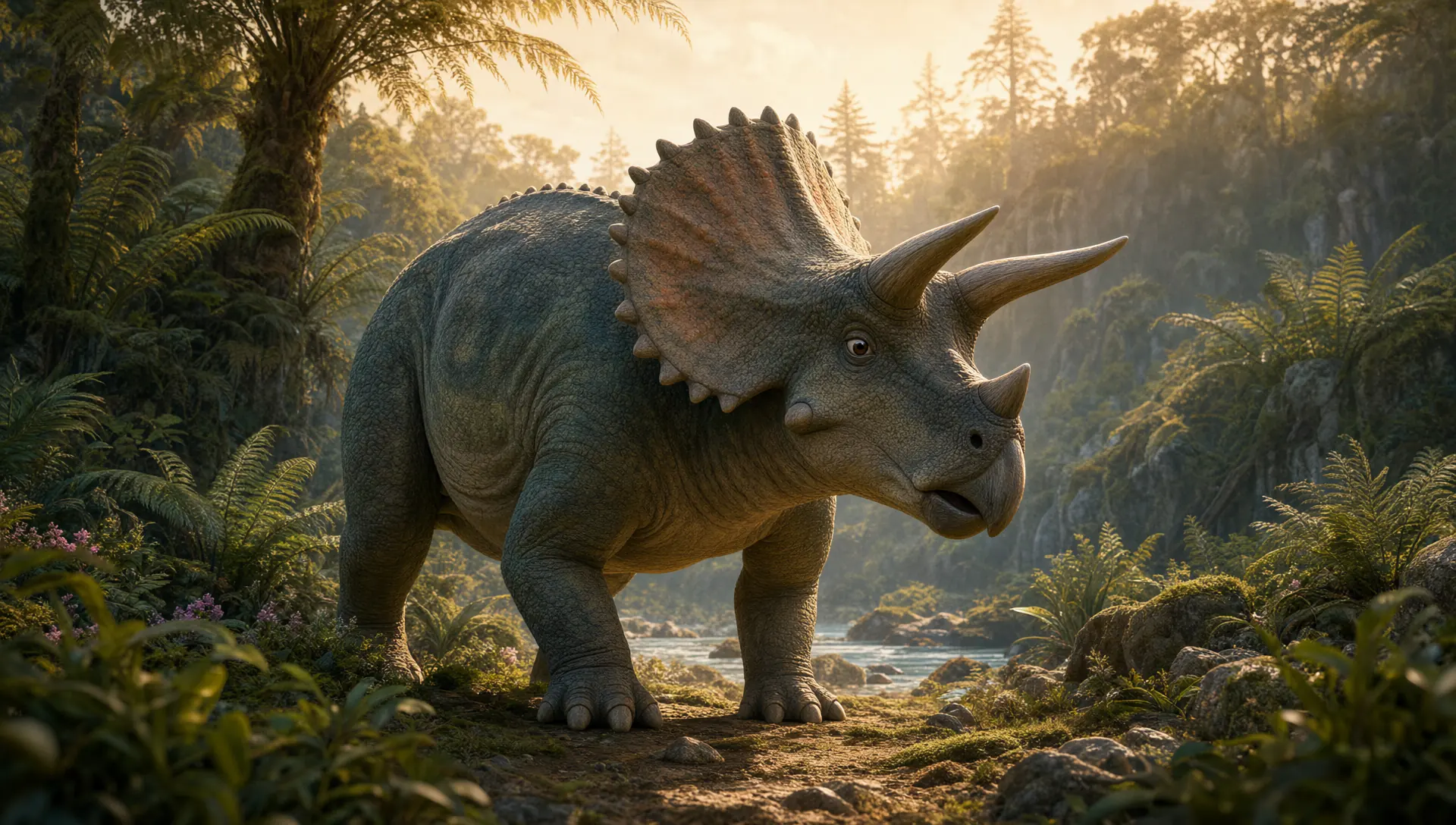
A huge dinosaur with big teeth, tiny arms and a long, heavy tail.